Communication Progressive du Français A2-B1
The Best Intermediate French Conversation Book You Need
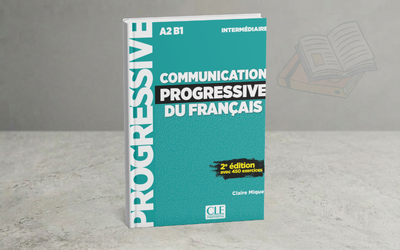
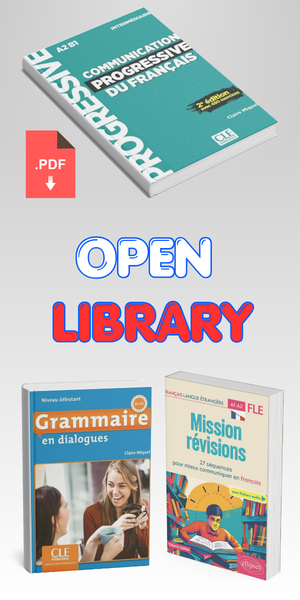
If you are learning French and have reached an intermediate level (A2 to B1), you have probably faced this common problem: you know a lot of grammar, you have memorized vocabulary lists, but you still struggle to speak naturally in real-life situations. This is exactly where Communication Progressive du Français A2-B1 by Claire Miquel comes in.
Published by CLE International, this book is one of the most popular and practical titles in the well-known Progressive series. It focuses specifically on developing spoken communication skills through realistic dialogues, targeted grammar, useful vocabulary, and a wide variety of speaking activities. In this detailed review, I will explain why so many teachers and serious learners consider this book an essential resource for intermediate French.
Who Is This Book For?
Communication Progressive du Français A2-B1 is ideal for three main groups of learners:
- Self-learners who want to improve their spoken French with a clear structure and plenty of practice.
- Students in group classes whose teachers want to work on real-life communicative situations.
- Learners who have finished A2 and want to move confidently toward B1, especially those who still feel insecure when speaking.
This book is not suitable for absolute beginners. If you are still at A1 level, the Débutant version of the same series is a better choice.
Smart and Practical Structure
One of the greatest strengths of this book is its highly logical and user-friendly organization. Every chapter is built around a two-page spread:
Left-hand page (Lesson page)
- Dialogue(s): Short, natural conversations set in everyday situations (buying meat at the butcher’s, ordering a birthday cake, asking about prices, changing a reservation, complaining, giving compliments, etc.)
- Grammar point: Only the structures that appear in the dialogue, explained clearly with examples
- Thematic vocabulary: Essential words and expressions related to the situation
- Manières de dire: The most natural and useful ways to express an idea (for example, how to politely say you want to exchange an item or that something is too expensive)
Right-hand page (Practice page)
- Comprehension exercises (true/false, multiple choice)
- Grammar practice linked to the previous page
- Vocabulary exercises
- Communication and speaking tasks (role-plays, completing dialogues, real-life scenarios)
This structure allows learners to understand, practice, and immediately reuse the language in similar situations.
Topics Covered (42 Chapters)
The book is divided into six main sections that cover almost all important everyday situations:
- Les achats (Shopping): Buying meat, ordering a cake, asking about prices, measuring fabric, changing a reservation, going to the bank, exchanging or getting a refund, etc. (Chapters 1–9)
- Les renseignements (Getting information): Asking for directions, talking about places, mobile phone contracts, cinema, explaining an accident, etc. (Chapters 10–17)
- Les contacts quotidiens (Daily contacts): Making phone calls, arranging meetings, giving instructions, insisting, making complaints, etc. (Chapters 18–24)
- La conversation (Conversation): Using tu or vous, apologizing, confirming or denying, giving compliments, consoling someone, etc. (Chapters 25–31)
- La sociabilité (Social relations): Making suggestions, inviting, welcoming guests, expressing surprise, regret and reproach (Chapters 32–36)
- Les opinions (Opinions): Praising, criticizing, asking for and giving opinions, agreeing and disagreeing, intentions and hopes (Chapters 37–42)
At the end of each section there is a “Bilan” (review), and the book finishes with a 100-point evaluation test (with answer key), a thematic index, a grammar index, and a vocabulary index.
What’s New in the 2nd Edition
- 9 new communicative activities that combine language from different chapters
- A complete evaluation test with answer key
- MP3 audio files containing all the dialogues with natural pronunciation
- Detailed indexes for quick reference
- Clear marking of informal/familiar language with an asterisk (*)
Sample Content from the Book
Here is a short extract from one of the most typical dialogues (Chapter 1 – At the butcher’s):
La cliente : Bonjour, monsieur. Il me faudrait une belle épaule d’agneau pour six personnes. Vous pourriez me la couper en morceaux ?
Le boucher : Oui, bien sûr… Et avec ceci ?
La cliente : Je vais prendre du veau. Qu’est-ce que vous me conseillez ?…
In the same chapter, learners study the structure “il faut + pronoun”, learn meat-related vocabulary, and practice natural expressions such as “Il vous en faut combien ?” and “Il m’en faudrait un bon kilo”.
Later chapters cover equally practical situations such as:
- Ordering food in a restaurant and modifying an order
- Bargaining at a flea market
- Changing or cancelling a hotel or restaurant reservation
- Complaining about a product or service
- Expressing hesitation and lack of knowledge at the hairdresser’s or in a perfume shop
Strengths of the Book
- Dialogues are realistic and close to authentic everyday French (not stiff textbook language)
- Strong focus on “how to say it” rather than just “what to say”
- Varied communication exercises that push learners to produce language
- Grammar is always presented in the service of communication
- High-quality audio with natural pronunciation
- Works equally well for classroom use and self-study
Possible Limitations
- The answer key is not included in the main book and must be bought separately
- Learners with a very weak grammar base may find the pace a little fast
- Writing practice is limited compared to speaking practice (which is consistent with the book’s main goal)
Final Verdict and Recommendation
If your goal is to speak French more naturally and confidently in real-life situations, Communication Progressive du Français A2-B1 is one of the best resources available.
This is not a pure grammar book and not a dry vocabulary list. It is a practical conversation workshop that guides you step by step from understanding a situation to being able to communicate in the same situation yourself.
My recommended study method:
- Start each chapter by listening to the audio.
- Read the dialogue several times and practice role-playing both parts.
- Complete all the exercises on the facing page.
- Write down the expressions from the “Manières de dire” section in a personal notebook and review them regularly.
Share your experience in the comments — which chapter or situation did you find most useful or challenging?
This review is based on a detailed examination of the second edition of Communication Progressive du Français A2-B1 by Claire Miquel (CLE International, 2018).